
I designed iAffiliate's corporate website for its rebrand and worked on iDB, an internal tool for managing content across Noxwin and Casino.online. My focus spanned website structure, editor workflows and reusable UI components.
View live siteFrom corporate website to content operations
The website needed to explain the business to partners and candidates. Internally, editors needed a way to maintain operator information across multiple brands and markets. The work covered both the public-facing site and the tools behind the affiliate products.
One company website for partners and candidates
I structured the page around three questions: what does iAffiliate do, why work with it, and why join the team? Business information, partner logos and work examples address potential partners; employee stories, benefits and open roles address candidates.
Keeping both audiences on one page meant a longer scroll. The trade-off was a single company introduction, with dedicated sections for each audience.
Company values as interactive cards
Each value pairs a distinct symbol with a short statement and an interactive detail state. A shared card pattern keeps the six values visually connected.
Managing content across Noxwin and Casino.online
iDB is designed for content editors managing operator information across Noxwin and Casino.online. It brings offers, assets and market-specific details into shared records, so related content can be maintained in one place.
From content gap to published operator
The proposed workflow starts with a gap in website coverage, then moves through an operator update, validation and publishing. The operator record connects these steps.
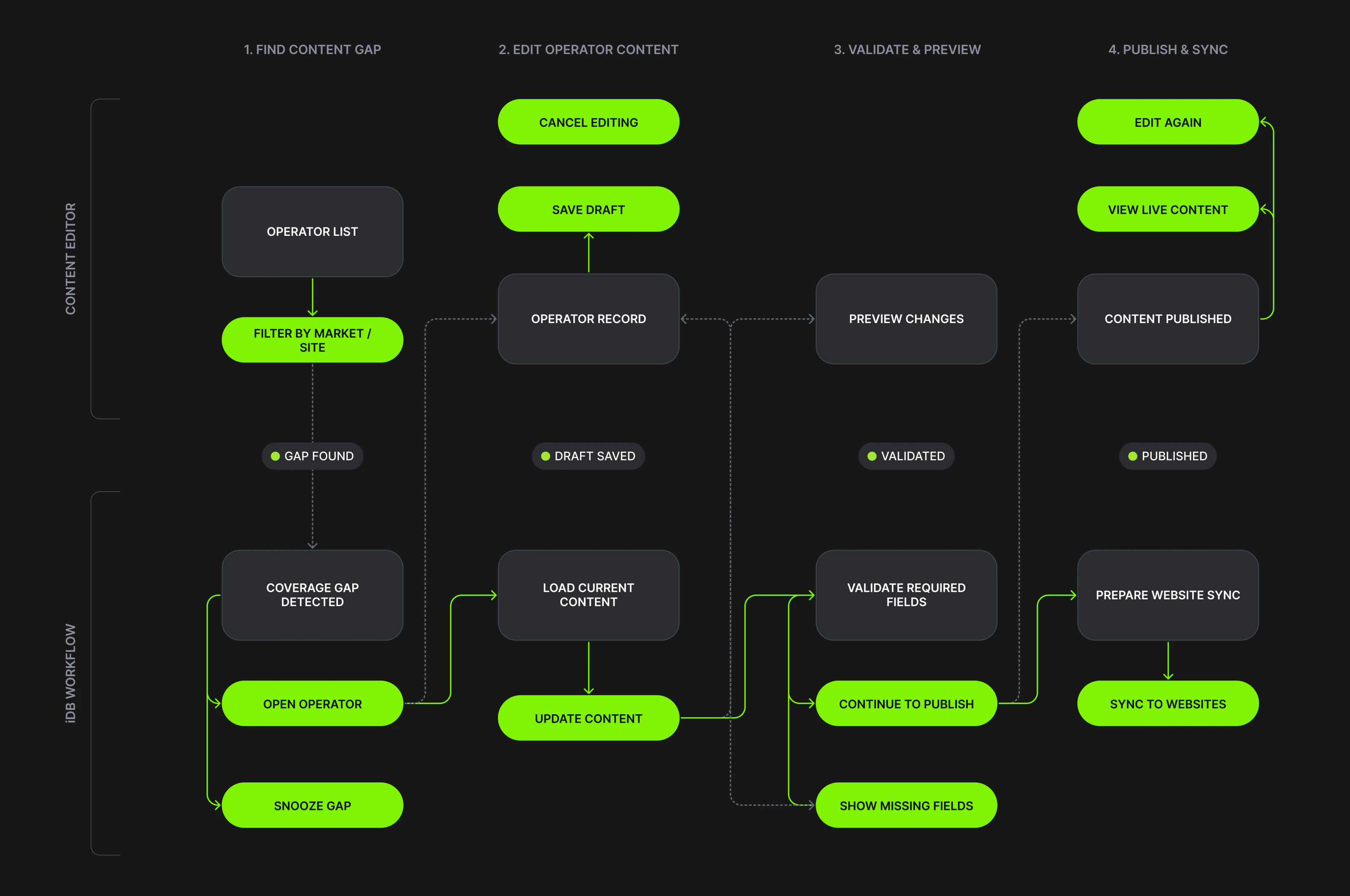
Three decisions behind the editor workflow
Dense operational data had to be easy to find, update and reuse.
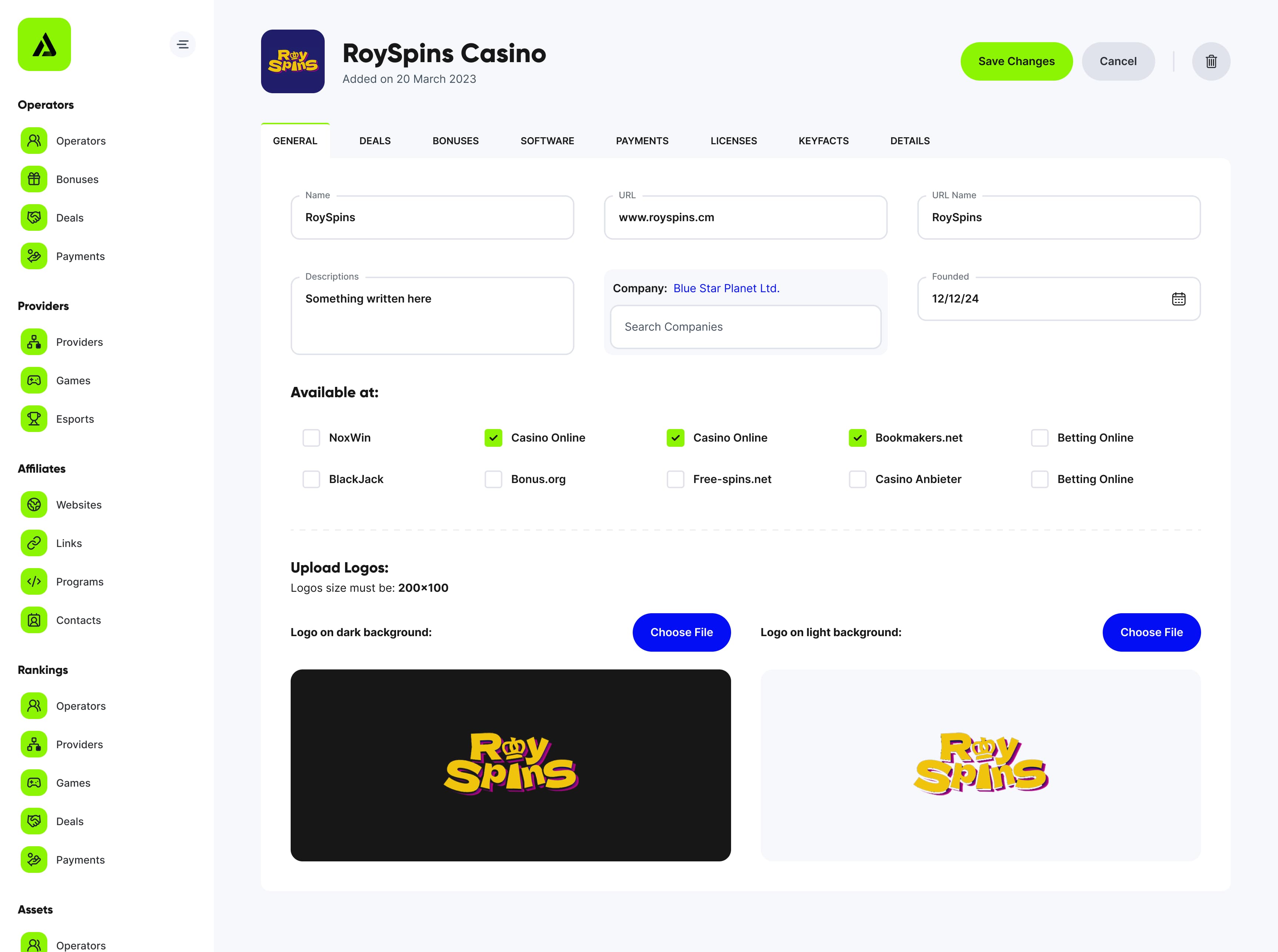
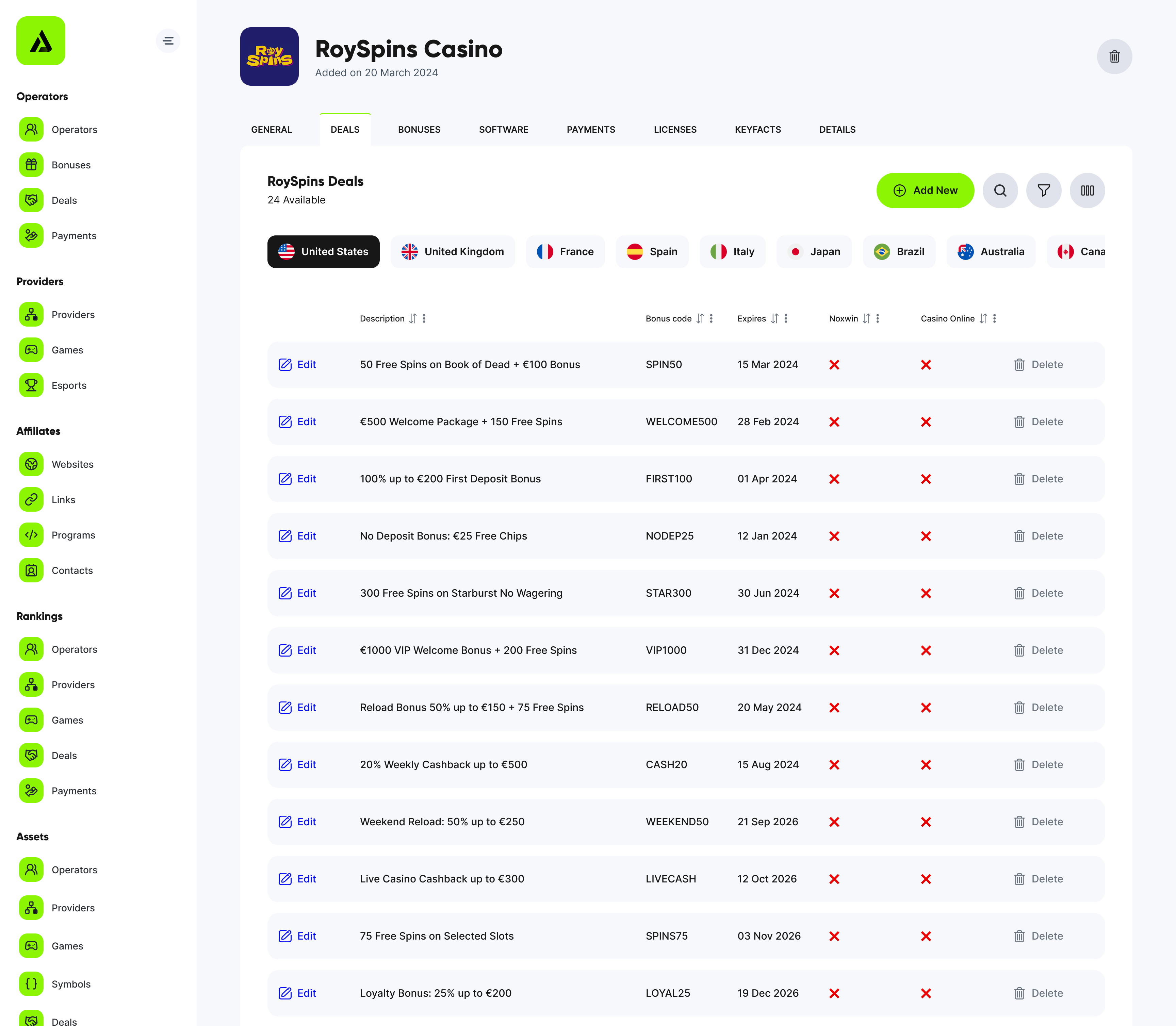
Organise everything around the operator
The design keeps each operator's information in one record, with tabs for deals, bonuses, software, payments and licences. Related content stays accessible without leaving the operator being edited.
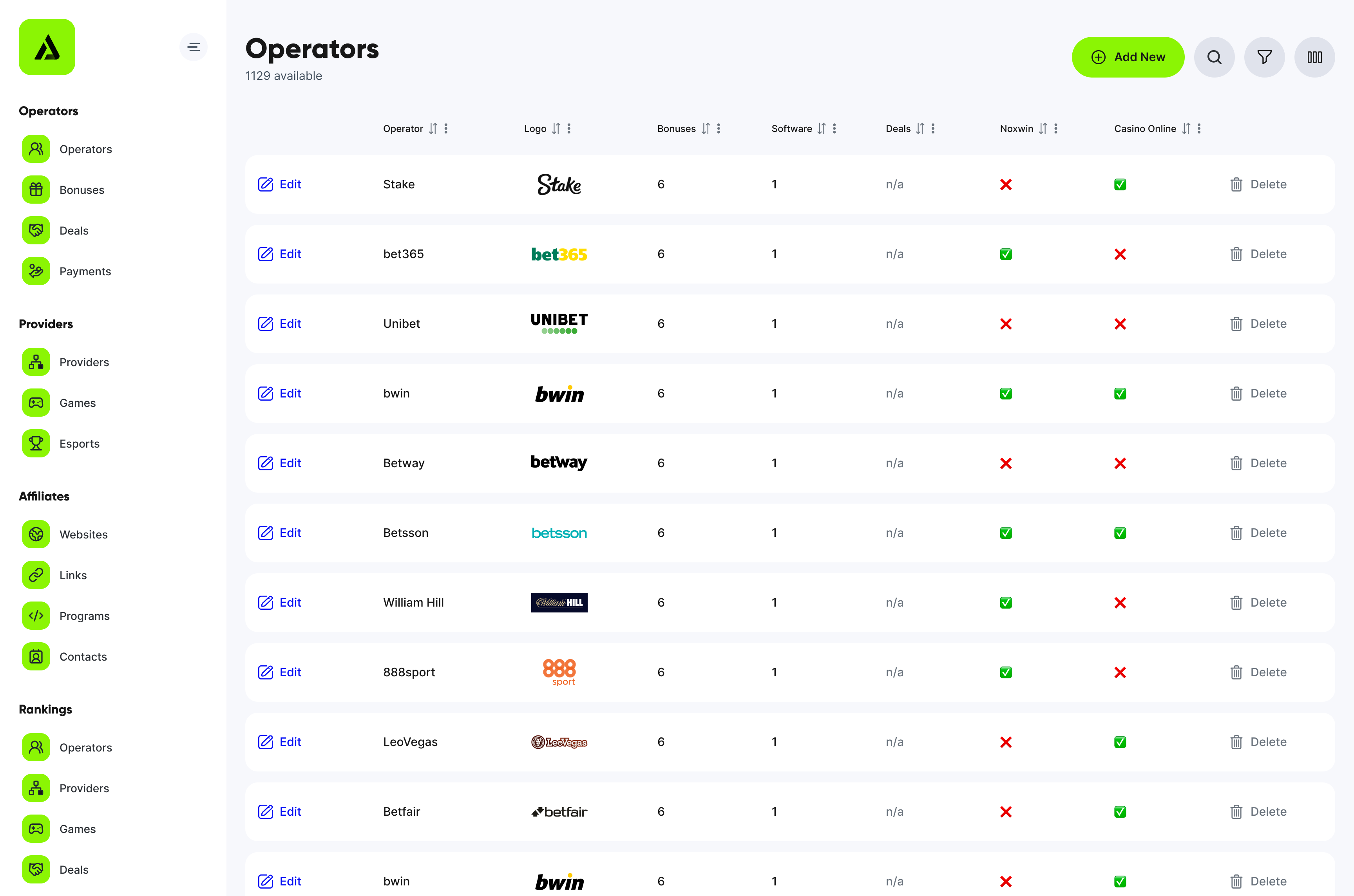
Show coverage before opening a record
The operator list shows whether content is available to Noxwin or Casino.online. Editors can spot coverage gaps without opening records one by one.
Organise the detail, don't hide it
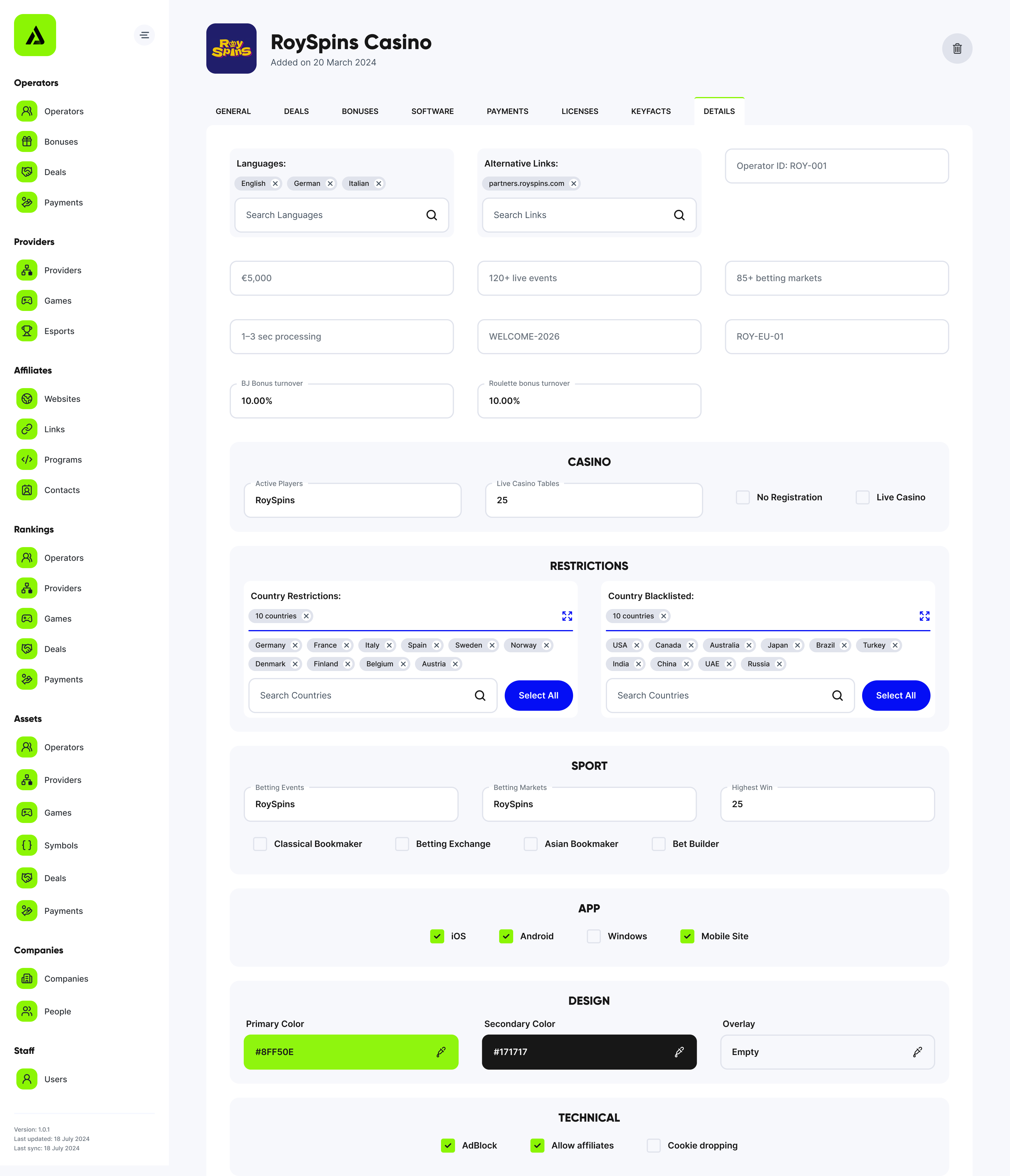
Editors need detailed information, so removing fields was not the answer. I grouped them into sections such as Casino, Restrictions, Sport, App and Support, with consistent controls throughout.
Shared controls across screens and themes
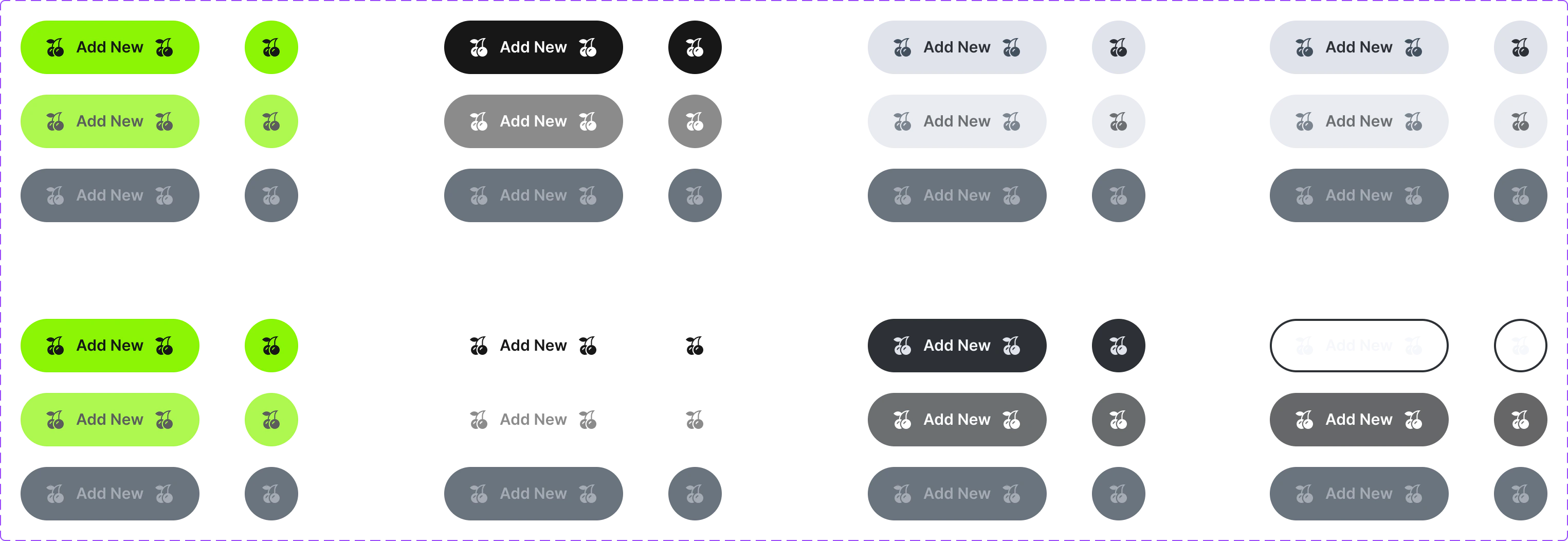
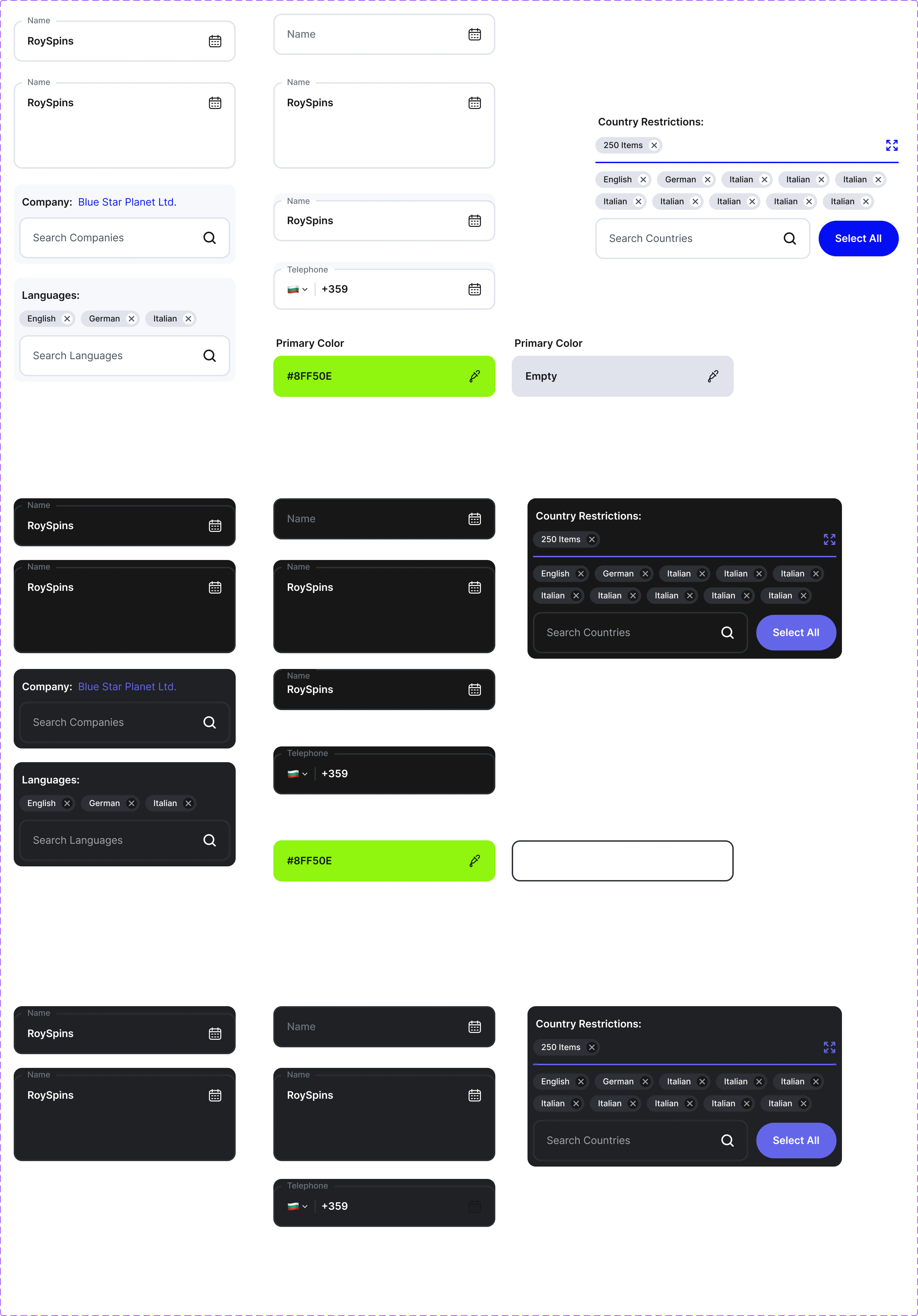
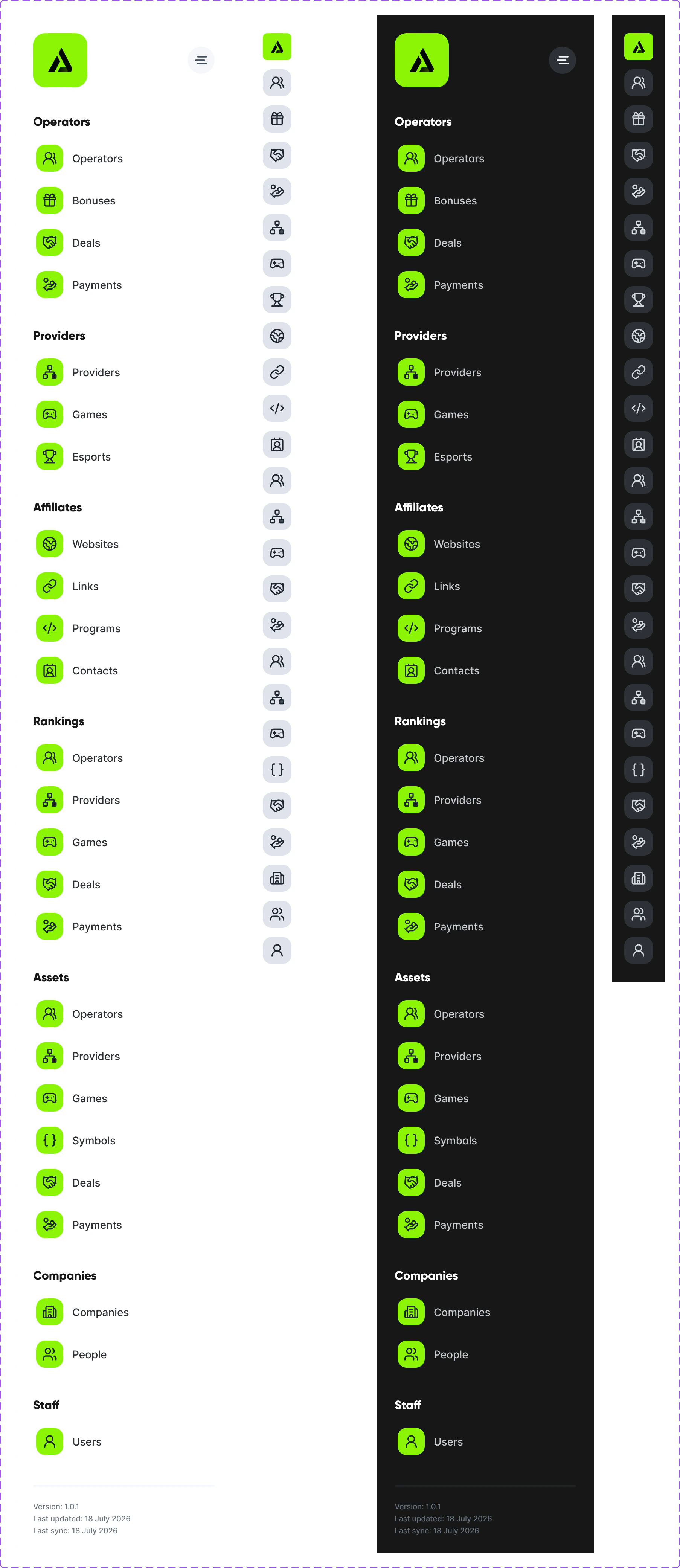
Buttons, inputs and navigation share defined states and spacing across dashboards, tables and forms. Light and dark variants retain the same component structure and interaction patterns.
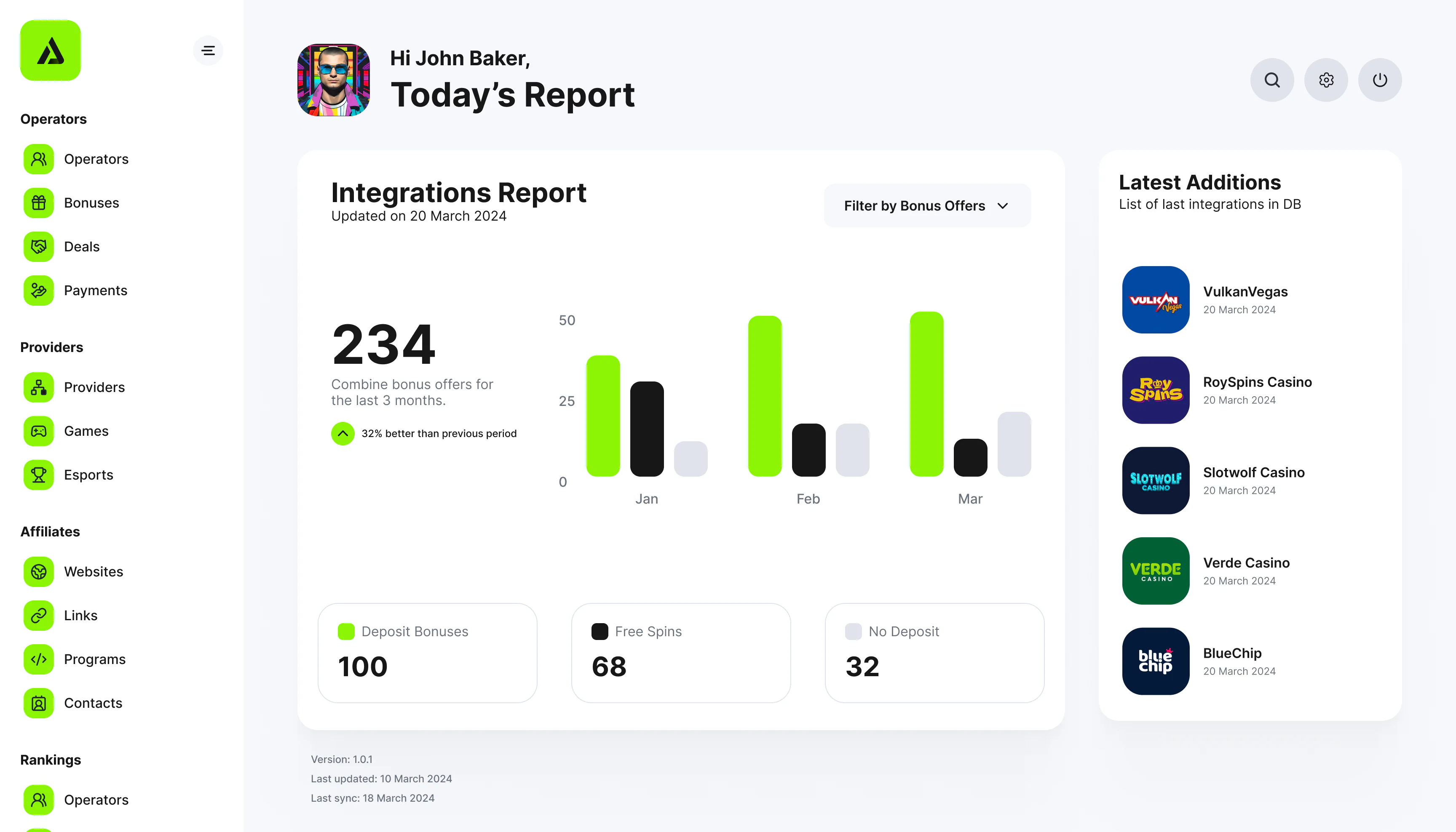
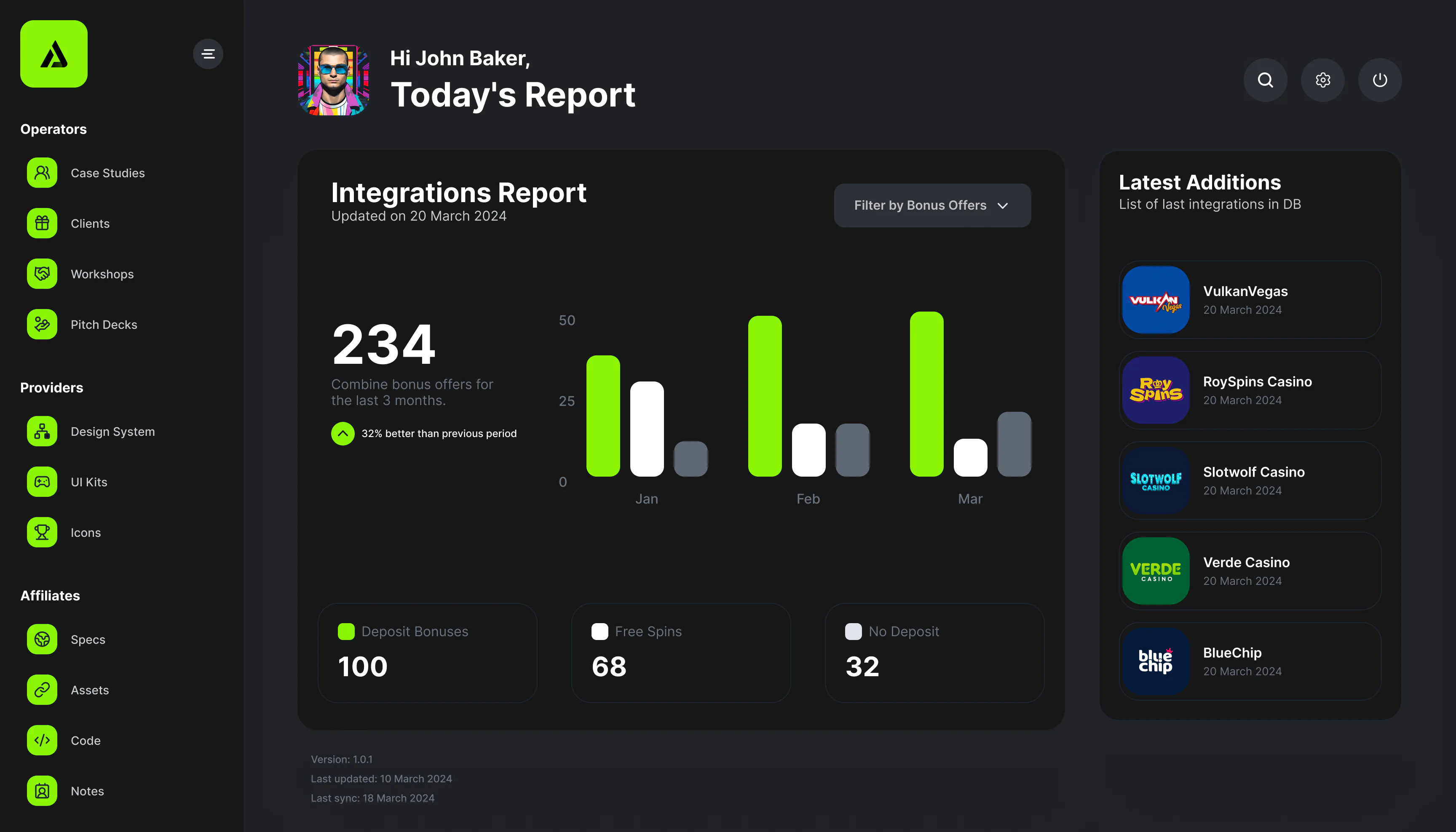
A launched website and an editor-focused product design
The corporate website launched with the new brand, company information and careers content. The iDB design covered operator records, publishing workflows and reusable components for the internal product.
Post-launch performance data was not available. The screens demonstrate the proposed structure and interactions, but do not establish whether editors completed tasks faster or made fewer errors.
The key design distinction was between explaining the business and supporting the people maintaining its content. The website needed a clear narrative; iDB needed detailed records and predictable controls.
- Time to identify missing website coverage
- Time to update an operator record
- Errors when updating an operator record
- Content discrepancies across brands and markets