
I redesigned game controls and round feedback for Casino.online, starting with Roulette and adapting the patterns for Blackjack and a Baccarat concept.
This site may not be available in Bulgaria due to local regulations.
Redesigning how players interact with casino games
Casino.online combines casino discovery with free-to-play games. As part of a three-designer team working on the wider redesign, I focused on game UX and UI: the current round, available actions and result feedback.
This case study focuses on that work, from shared game components to responsive layouts and a mobile tournament concept.
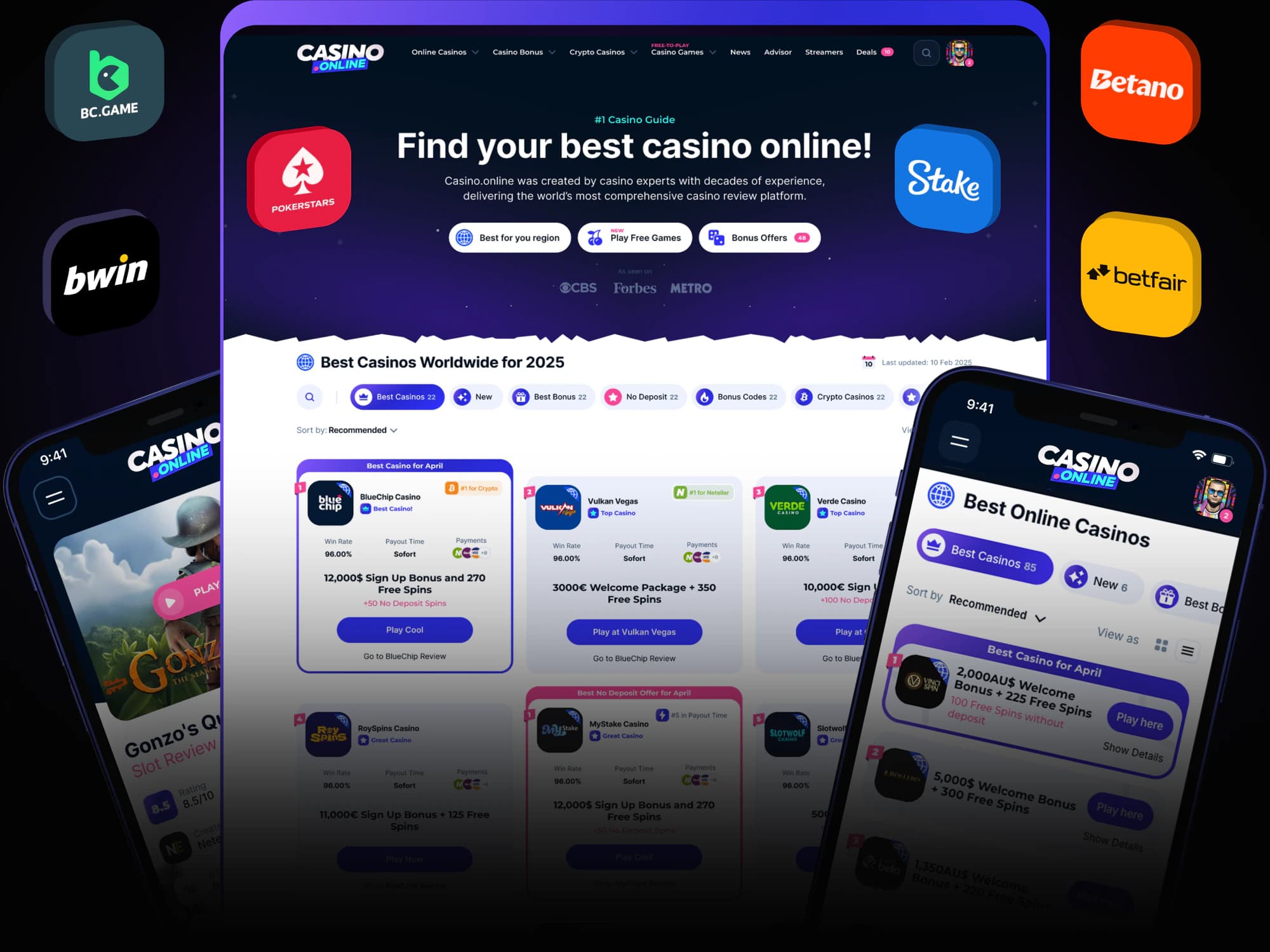
Make the next action clear without losing the table
The table, controls and round feedback competed for attention. Beyond the visual refresh, I needed to give each a clear place so players could check the game state and find their next action without scanning the whole interface.
The design needed to make these layers distinct while retaining the atmosphere and visual character of a casino game.
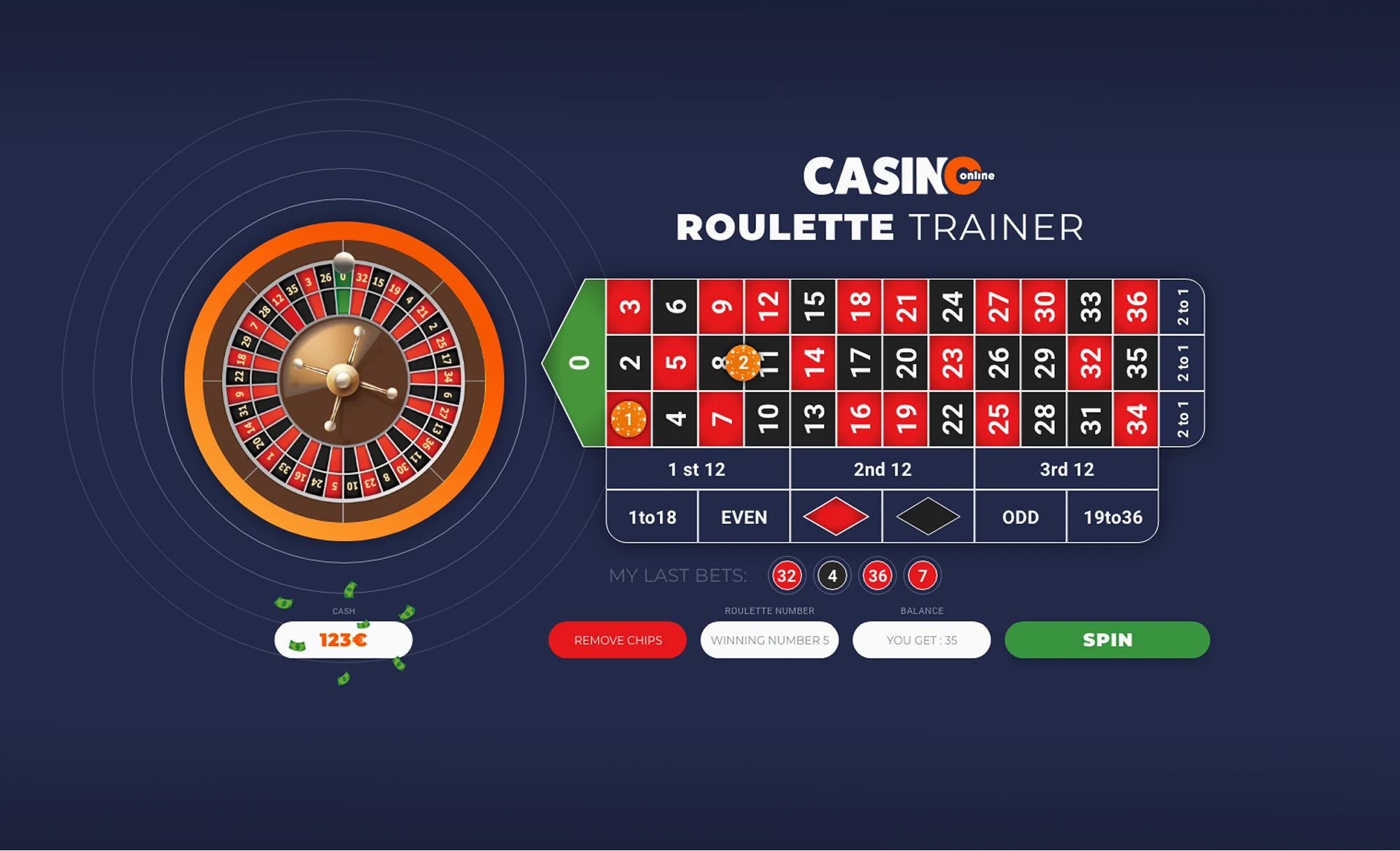
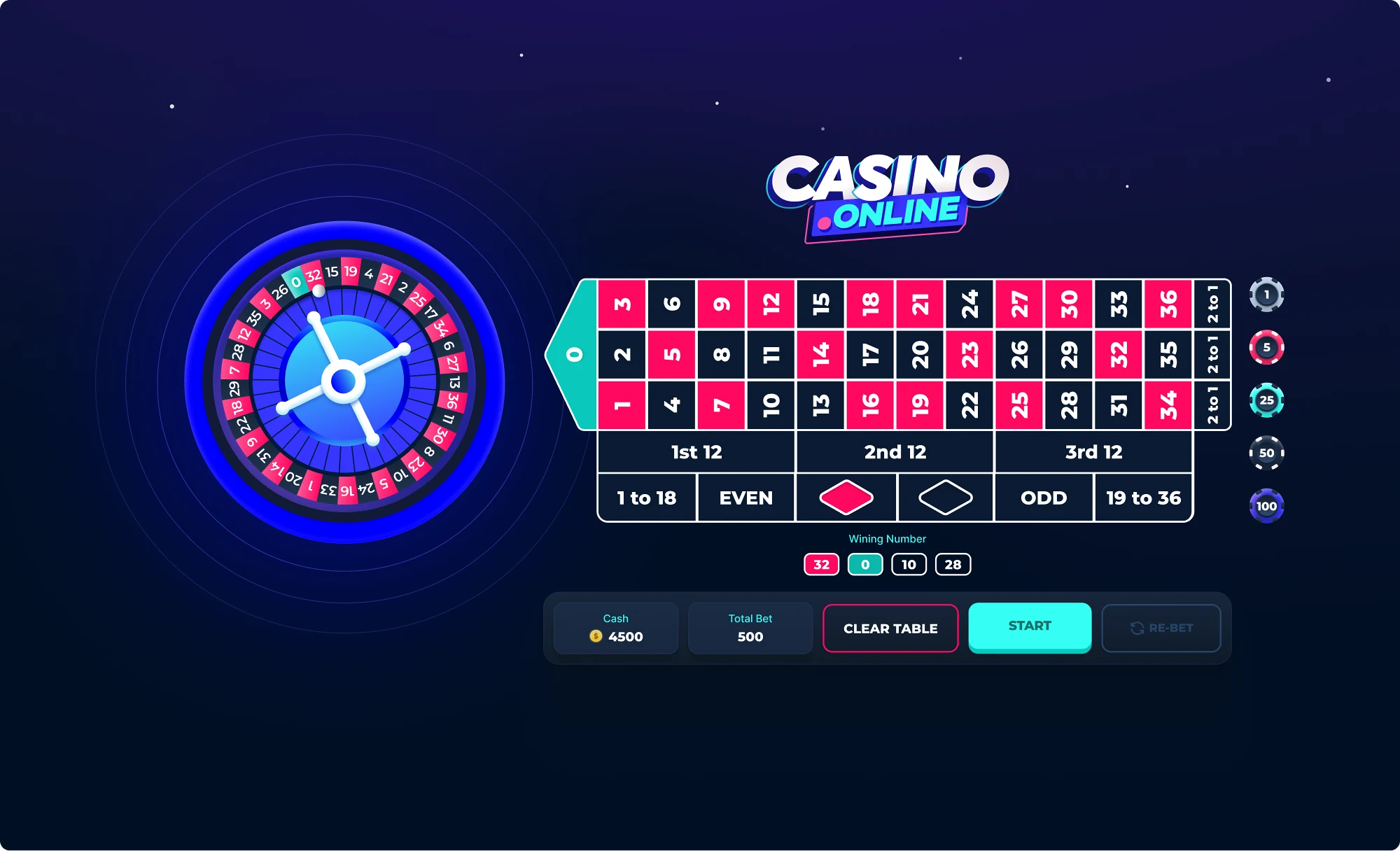
Start with Roulette, adapt to each game
We prioritised Roulette because it was the site’s most visited page. I used its betting zones, chip selection and round feedback to establish shared patterns, then adapted them to each game’s mechanics rather than copying the same layout.
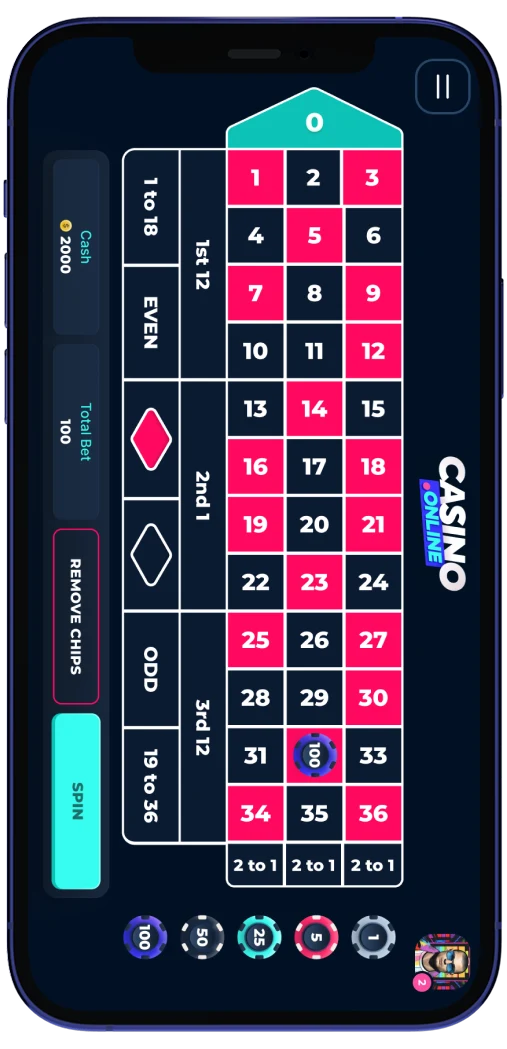
Roulette: Separate game state and player actions
I separated chip selection, active bets and round feedback into distinct zones. The aim was to keep the table visible while giving players a consistent place to check their wager and the result.

Blackjack: Keep the next decision visible
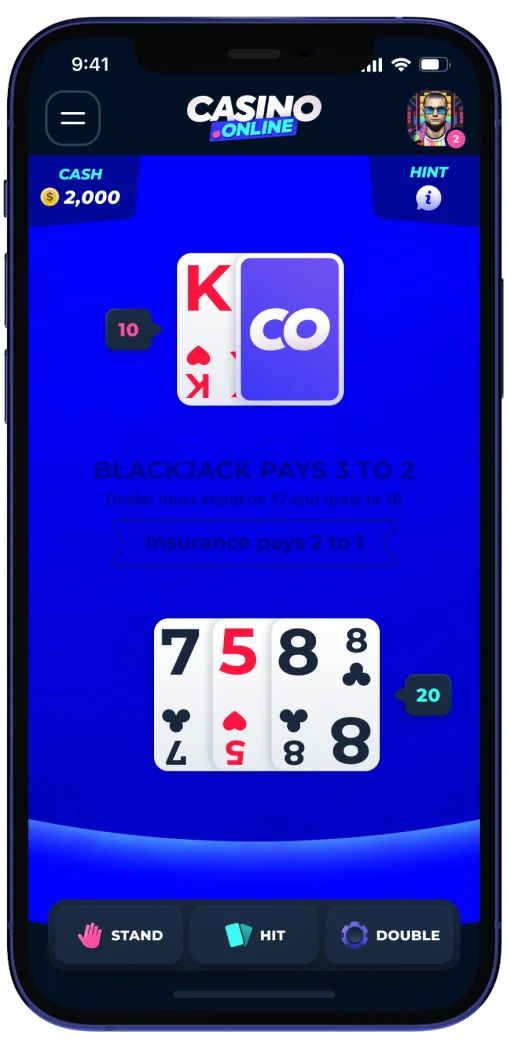
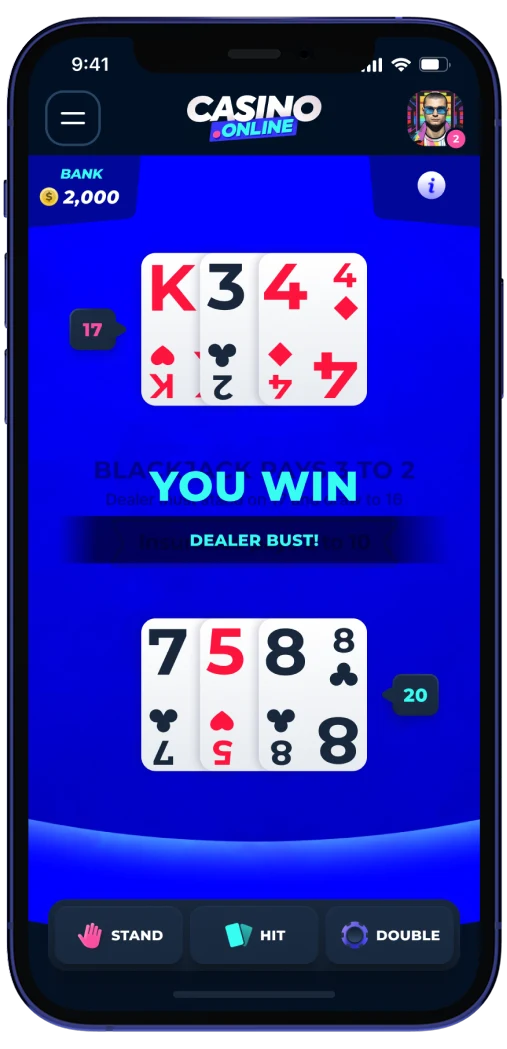
Blackjack centres on the current hand rather than a spread of betting zones. I kept Hit and Stand together beneath the table and grouped them with hand information and result feedback, aiming to reduce the need to search for the next action.
Baccarat: Adapt the controls to a different table
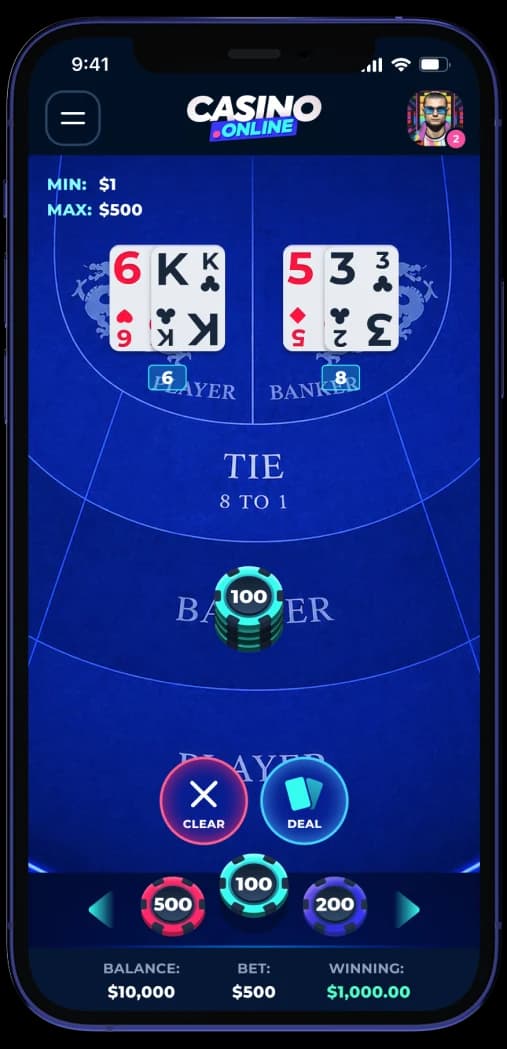
For the Baccarat concept, I adapted the betting zones, controls and result states to a more cinematic table. The visual treatment changed, while the core interaction patterns remained recognisable.
Reusable system across screens
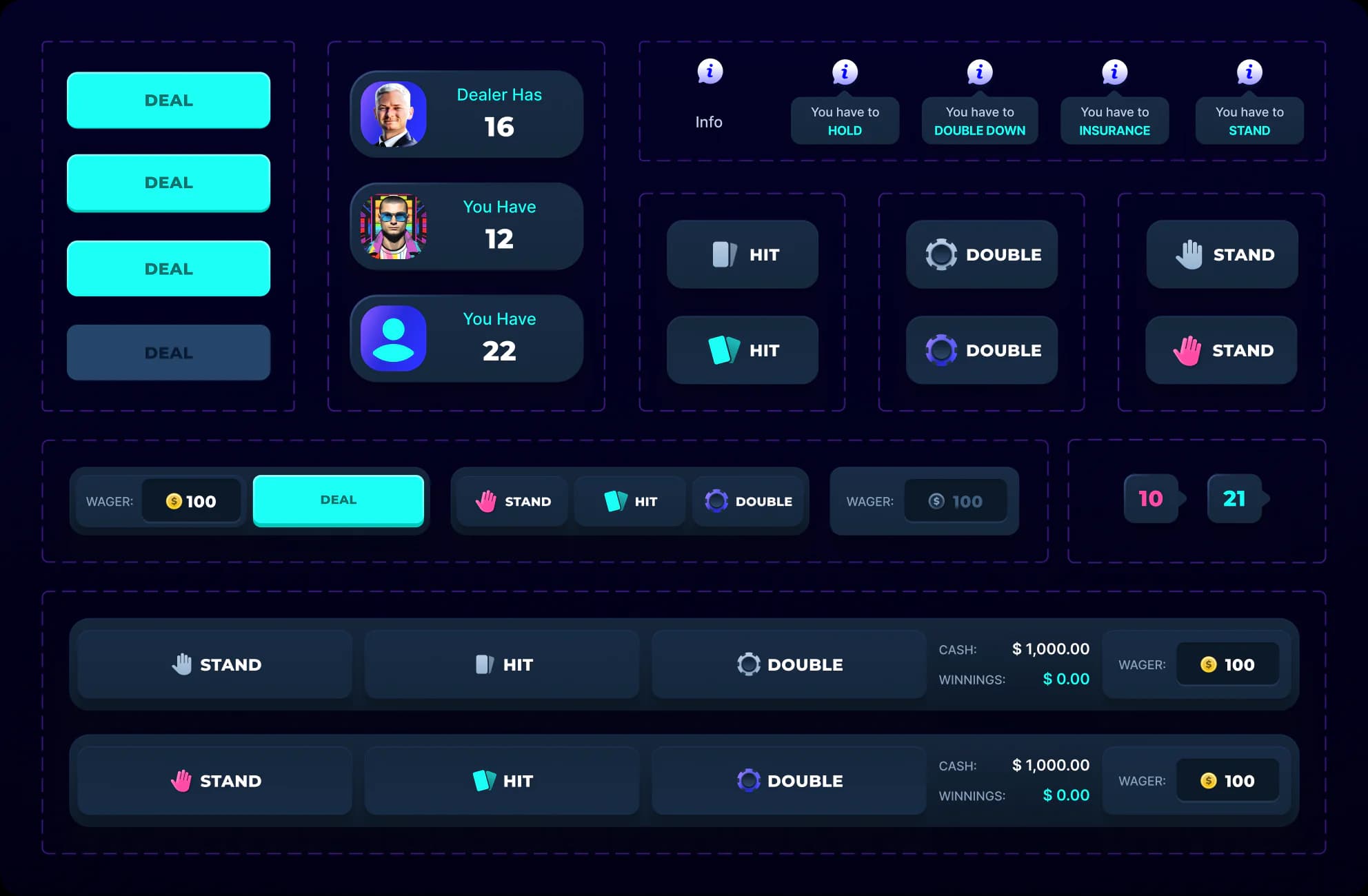
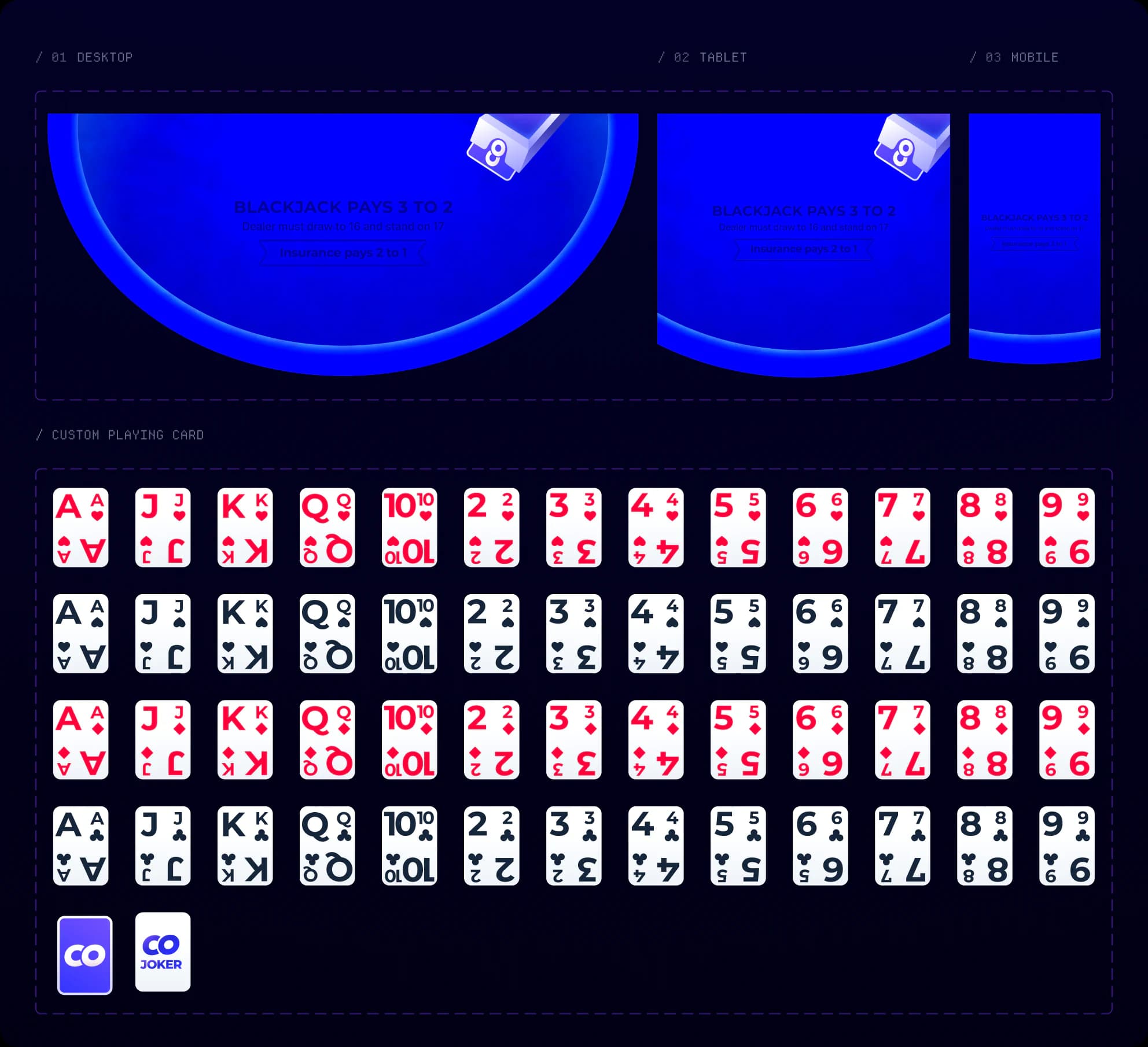
The component inventories show how the same foundation extends from Roulette to Blackjack and into responsive layouts.
Roulette as the reference
The Roulette inventory brought betting zones, chips, controls and outcome states into one system that could be adapted for other games.
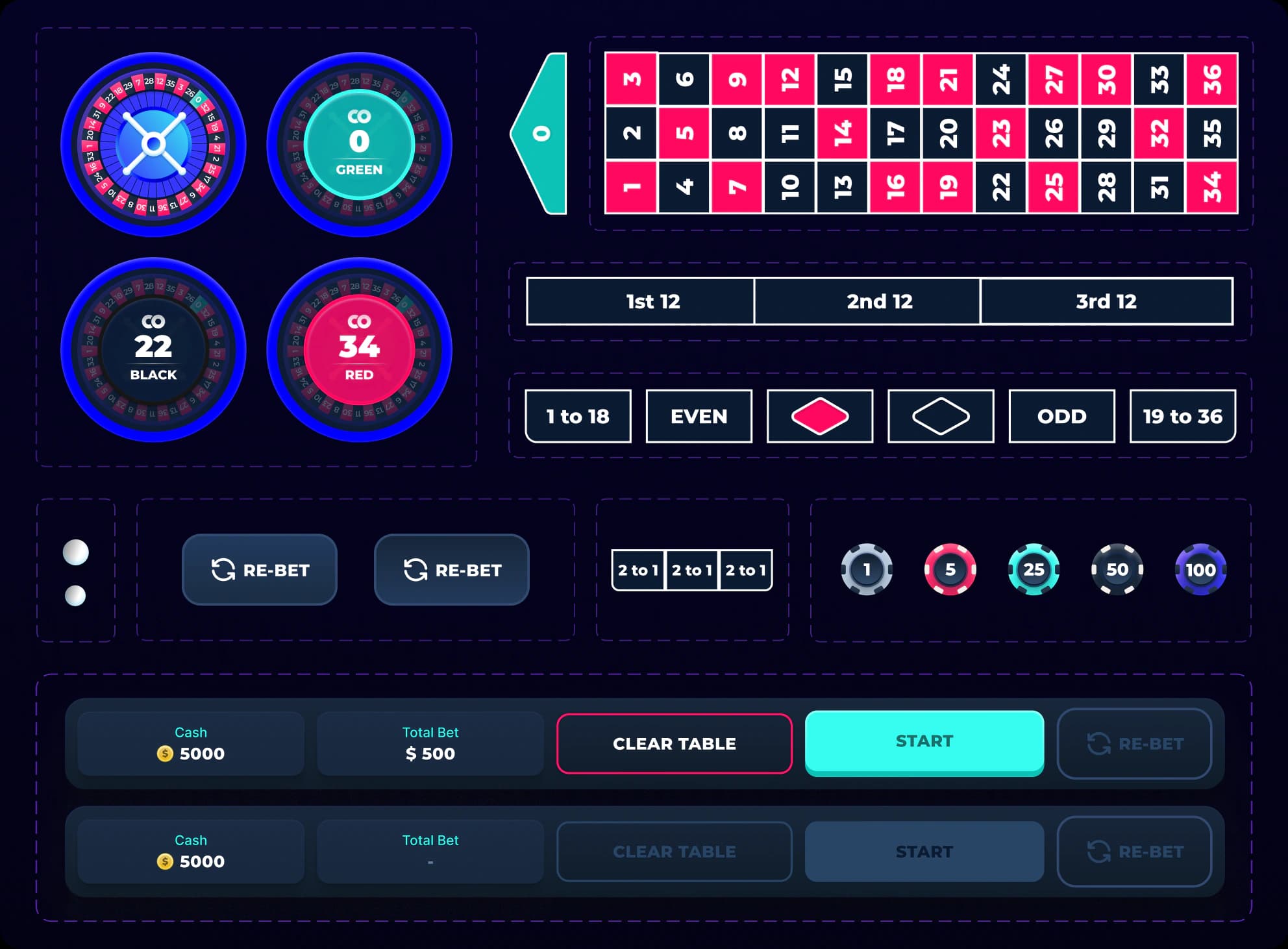
Shared components
Blackjack reused the visual language for wagers, controls and feedback, with game-specific actions organised around the player’s hand.
Responsive behaviour
The current game state and next available action remained visible across desktop, tablet and mobile layouts.
The system on mobile
The mobile layouts bring the shared controls and feedback into each game’s available space and orientation.
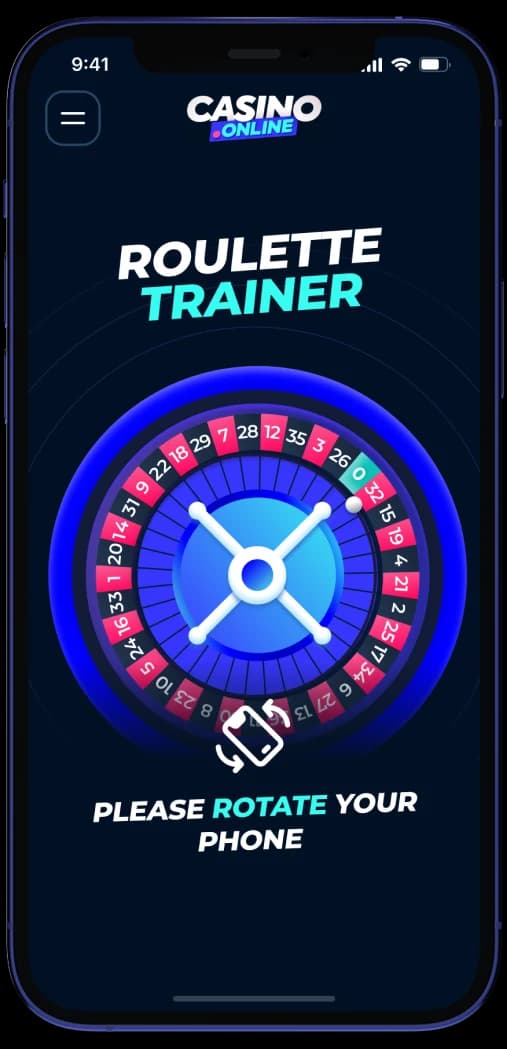
From a single round to a tournament
Roulette remained the site’s most visited page after launch. Building on that interest, we developed a tournament concept to attract more visitors and encourage repeat play through points, rewards and leaderboards.




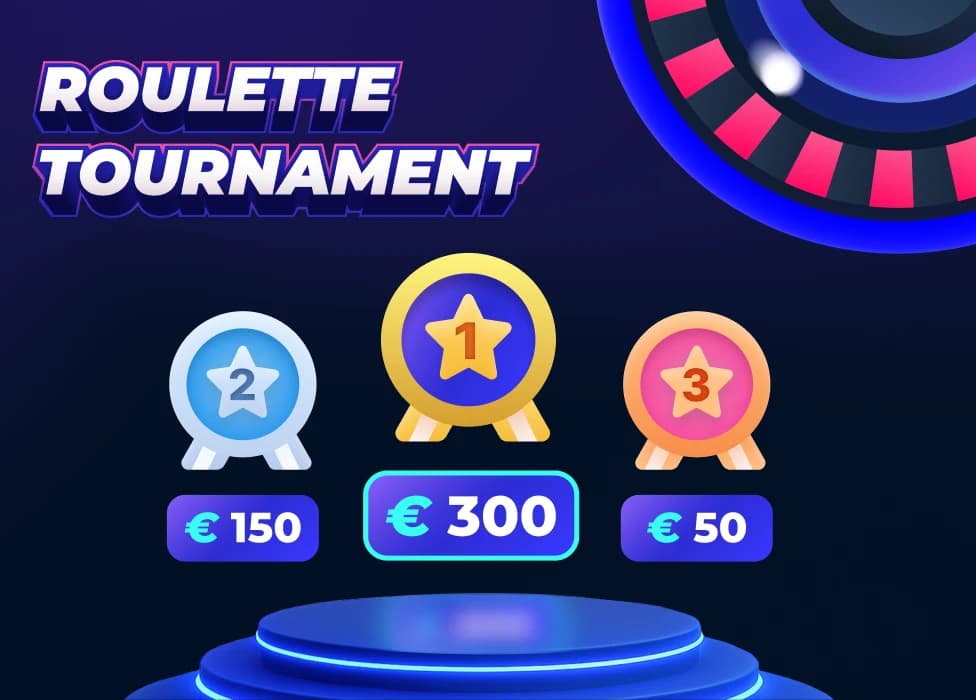
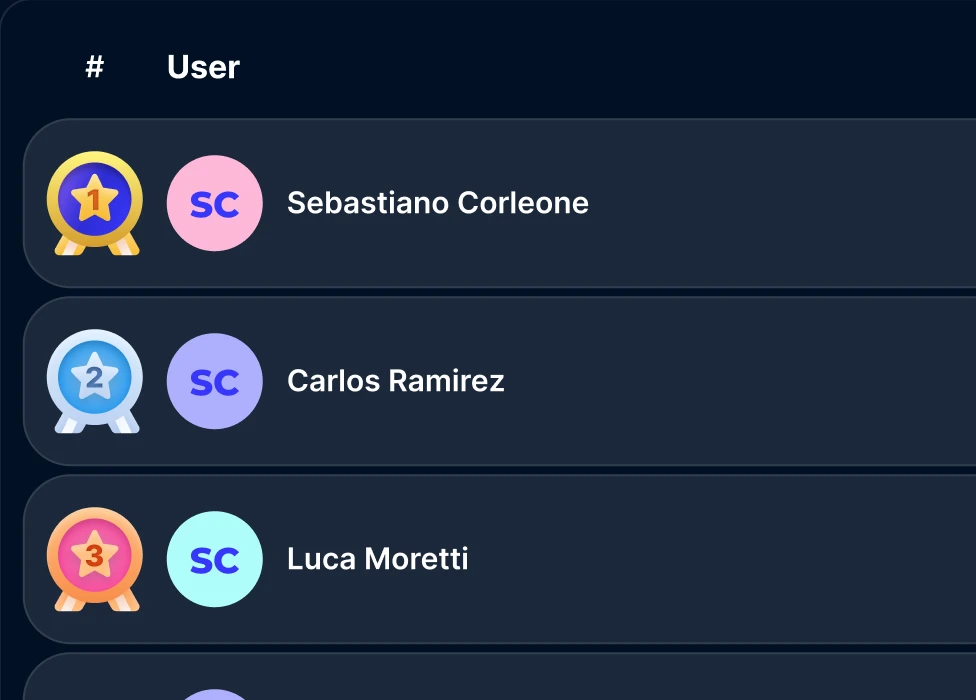
Entry, progression, rewards and leaderboard flow.
The full tournament journey
Shared controls, game-specific layouts
The work covered Roulette and Blackjack simulator interfaces, reusable components and responsive layouts. Baccarat and the mobile tournament remained concept explorations within this case study.
Roulette’s popularity informed the tournament direction, but its traffic ranking does not establish the redesign’s impact on usability or repeat visits.
To evaluate the game UX, I would test whether players can identify the current round and next available action, then measure action completion time and invalid betting attempts across devices.